
Introducing Project Stardust: our bid into the 2023-2024 NASA Student Launch Initiative!
Our project this year is characterized by growth and expansion, with the purpose of ultimately securing our team’s future and enabling our club to serve as a place for educational enrichment for many years to come. With these goals in mind, we’ve adjusted our philosophy and planned our project to best achieve this.
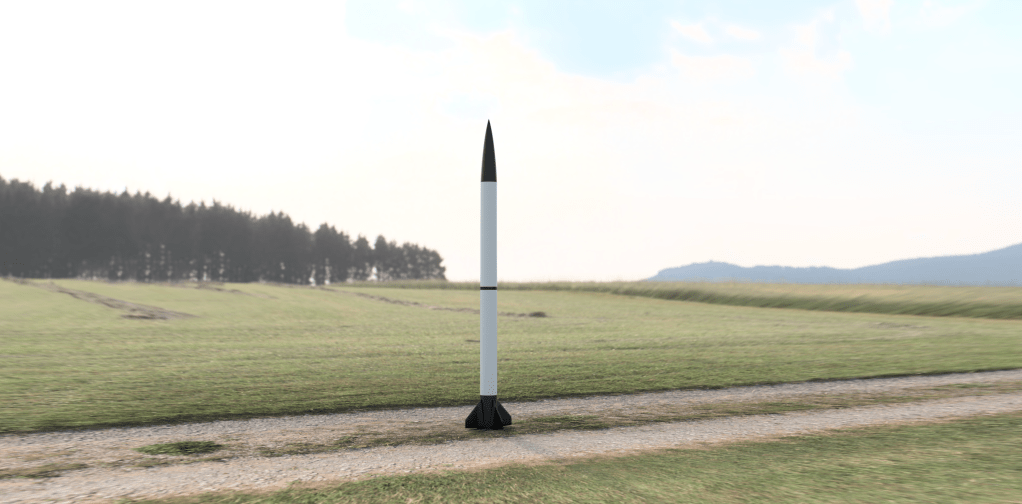
“I believe our 76-page proposal captures our growth and encompasses a lot of lessons learned from last season, and we’re ecstatic to be back doing it again this year.” said the team leader, Sean McConoughey.
Inside, you will find our:
- Safety Analysis
- Payload Designs
- Launch Vehicle Design
- STEM Engagement Plan
- All other aspects of our proposed project.
At the heart of our project is the rocket and payload, both of which are taking significant strides over last year. Our rocket, which is nearly 8.5 feet tall, is designed to be bigger, lighter, and more reliable in order to service our payload. NASA’s new payload challenge is designed to emulate the Human Landing System, which will be landing people on the moon this decade. We’re challenged to create a system that can fly and land four model crewmates without the use of parachutes or traditional recovery systems.
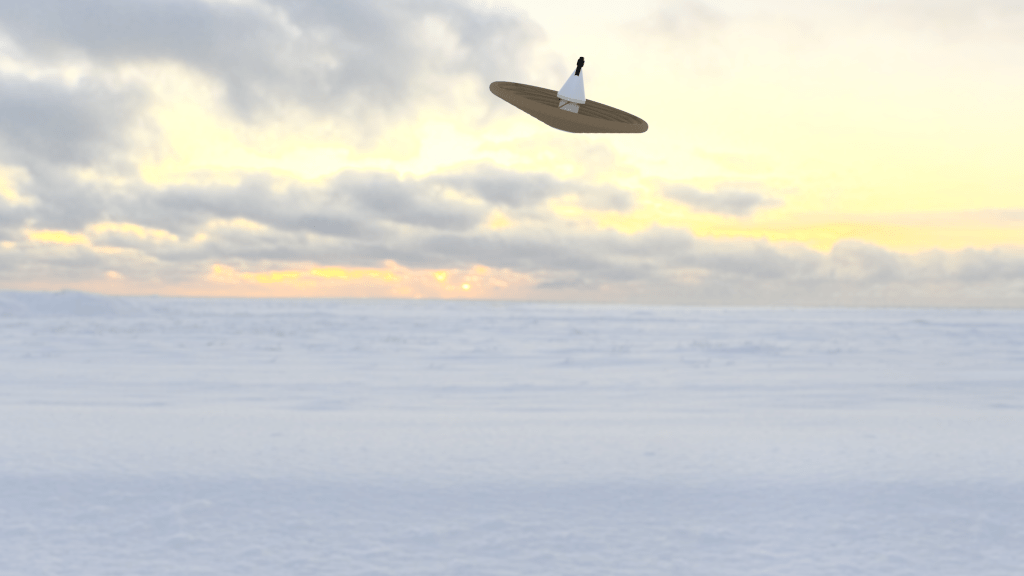
Our team will be working over the next 9 months to finalize our design, verify functionality of components, and finally conduct demonstration flights. Throughout this time, we will deliver four more reports to NASA and three engineering review presentations.
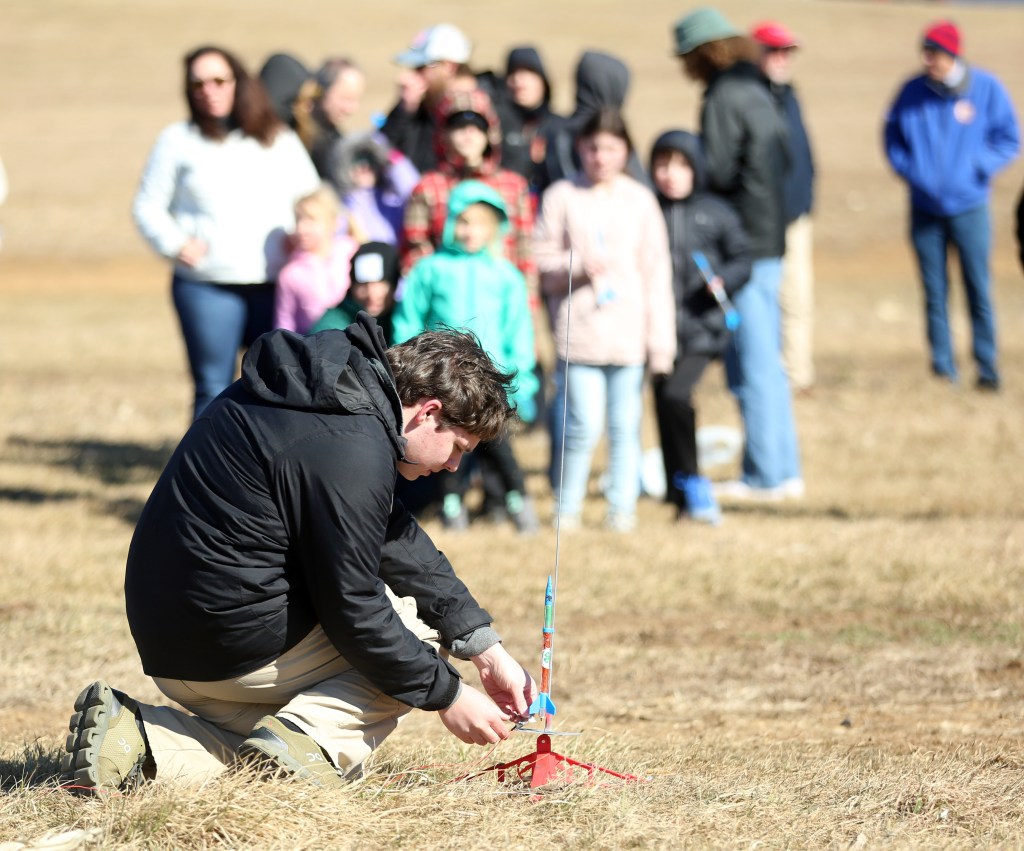
A key component of the NASA Student Launch Initiative are the extensive STEM outreach programs teams must complete, engaging at minimum 250 students in hands-on STEM demonstrations. Our team has gotten a strong head start, scheduling and planning many events in the near future. Stay tuned for specifics about these events.
Our team is currently pushing ahead towards the next milestone, the preliminary design review, due in 7 weeks. We’re aiming to conduct our sub-scale vehicle demonstration in early October alongside a plethora of other deliverables and updates as our project progresses.
This year’s winning proposals will be announced by NASA on October 4th.
 Morris County 4-H ResistoJets Rocketry Club